Your Gift. Our Mission. Their Future.
DONATE TODAY. Invest in the PTG programs that are transforming mental health for our nation's heroes.
Make a Gift

Before she ever wore a uniform of her own, Shannon was captivated by the idea of service. Her grandfather, Jay, was a New York City police officer — stoic, honorable, and sharp in his dress blues. He was her anchor in a chaotic childhood marked by instability, addiction, and the quiet ache of wanting something more.
“I always wanted discipline. I always wanted stability,” Shannon said. “And I saw that in him.”
Jay was more than a role model. He was the compass that guided her toward a life of purpose. When Shannon made the decision to join the military, it was Jay who beamed with pride. Just weeks before she left for basic training, he fell gravely ill. From his hospital bed, he made one final request: to have an Air Force flag flown outside the family home. Only then, he said, could he go in peace.
He passed away two weeks before Shannon shipped out.
“I saw him in my head every day of my service,” she said. “Still do.”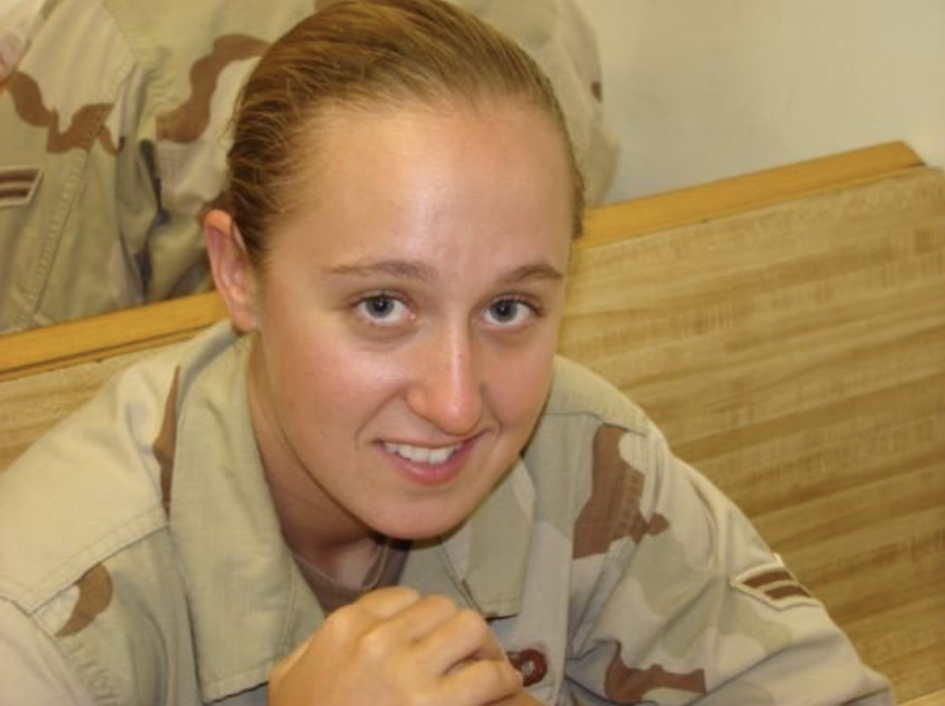
What followed was six years in the Air Force, three deployments, and a slow, silent unraveling that nearly cost her everything.
Shannon enlisted to become a security forces specialist, inspired by the same values her grandfather embodied. But the road ahead wasn’t lined with ceremony. Within her first year, she was deployed to Camp Bucca in Iraq, a high-risk detention facility.
“I was naïve. I just wanted to do police work,” she said. “But I wasn’t prepared for what I saw or what I had to carry.”
Her second deployment to Afghanistan brought long hours and heightened danger as she flew on C-130s across the region, sometimes escorting Marines who had been killed in action. Her third tour, back to Iraq, came by choice. She volunteered, chasing the adrenaline that had once helped her survive the chaos. But nothing happened. The stillness left her unsettled.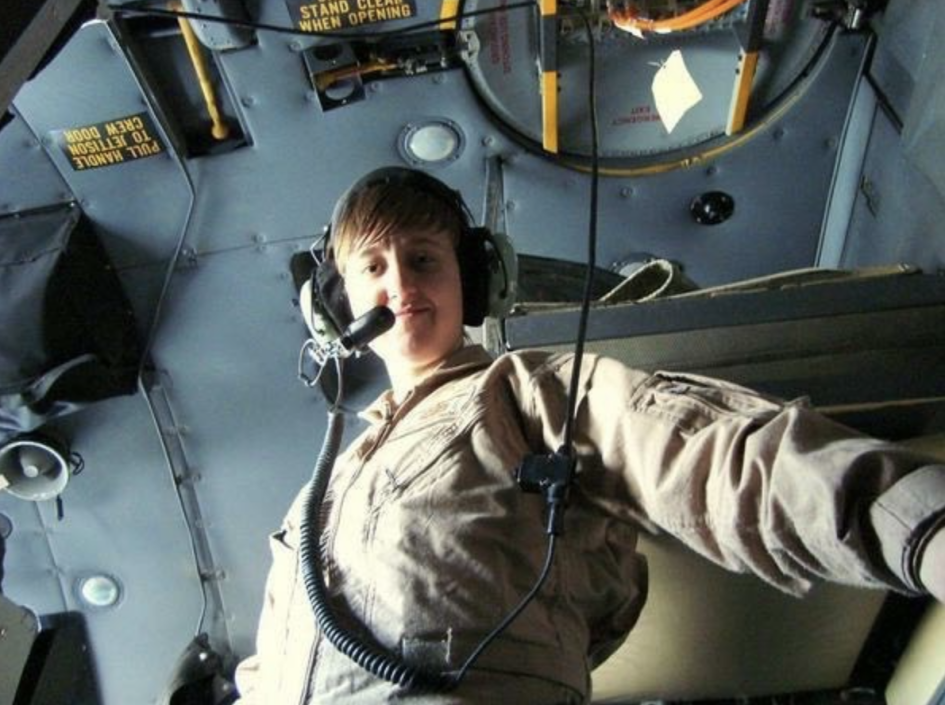
Then she came home and lost two friends in devastating, unrelated incidents on base.
“I thought the trauma would come from overseas,” she said. “But I came home and found it waiting for me. That’s what broke me.”
When she finally admitted she was struggling, a supervisor told her flatly: “You can get the hell out of my Air Force.” The message was clear. She was no longer wanted.
So she packed everything she owned into a Honda Civic and drove across the country, unsure of who she was, where she belonged, or what came next.
Back in Florida, Shannon tried to rebuild. She washed rental cars. She went to school using her GI Bill but struggled to focus, always scanning the room and watching the door, never able to fully relax. Eventually, she returned to the criminal justice field as a probation officer.
Outwardly, she looked successful. Inside, she was spiraling.
“I was a hypocrite,” she admitted. “I was helping people in crisis but wouldn’t give myself an ounce of grace.”
By 2016, her personal life was falling apart. A toxic relationship, suicidal thoughts, and a reliance on alcohol left her feeling like she was barely treading water. Then one day, her supervisor, a fellow veteran, pulled her aside and told her what no one else had: “I don’t know what you need, but go find it. Now.”
That same day, Shannon searched online for help. What she found was Warrior PATHH.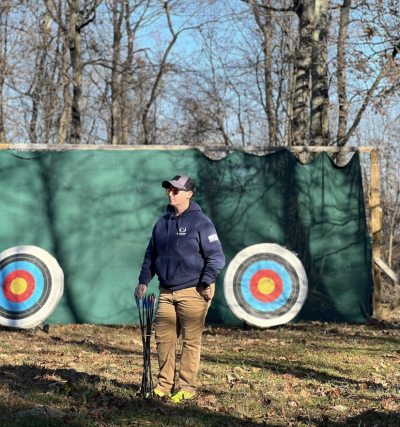 In December 2016, she flew to Boulder Crest Virginia. She was terrified, needing a drink just to summon the courage to board the plane. But what happened next would begin to change everything.
“For the first time in a long time, I was honest. I was vulnerable. And these people, these strangers, cared more than people who had known me my whole life,” she said. “They didn’t see me as broken. They saw who I could be.”
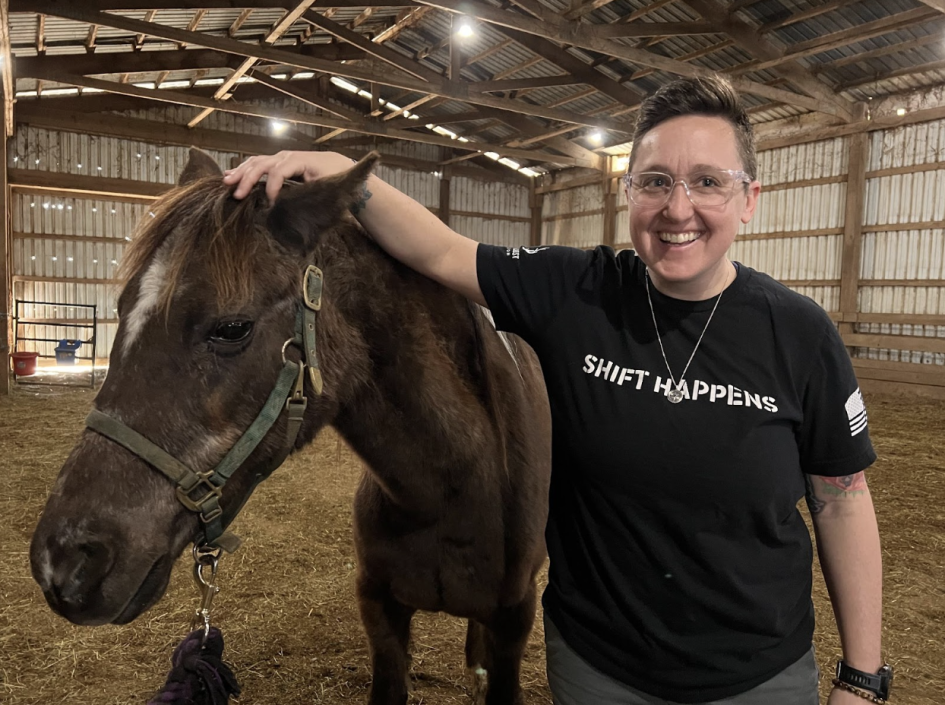 Coach Greg Morin, a foundational leader at Boulder Crest, looked her in the eyes and said something she never forgot: “I can’t wait to watch you explode, kid.”
Still, it wasn’t a fix-all. Life after Warrior PATHH wasn’t perfect. But something had changed. She stopped hiding behind her symptoms. She stopped defining herself by her past. Slowly, she began building a life that looked forward.
Nine months after completing Warrior PATHH, Shannon met Melanie, the woman who would become her wife. She returned to school, finished her bachelor’s degree, and then earned a master’s. She went back into law enforcement at NASA’s Kennedy Space Center. When COVID isolation brought familiar struggles, she didn’t retreat — she reached out.
The first person she contacted was Coach Greg Morin.
That call set her on a new path. Shannon later became a Warrior PATHH guide with Boulder Crest’s Mobile Training Team, traveling the country to support fellow veterans. In January 2025, she was promoted to Program Director of the newly established Boulder Crest Texas.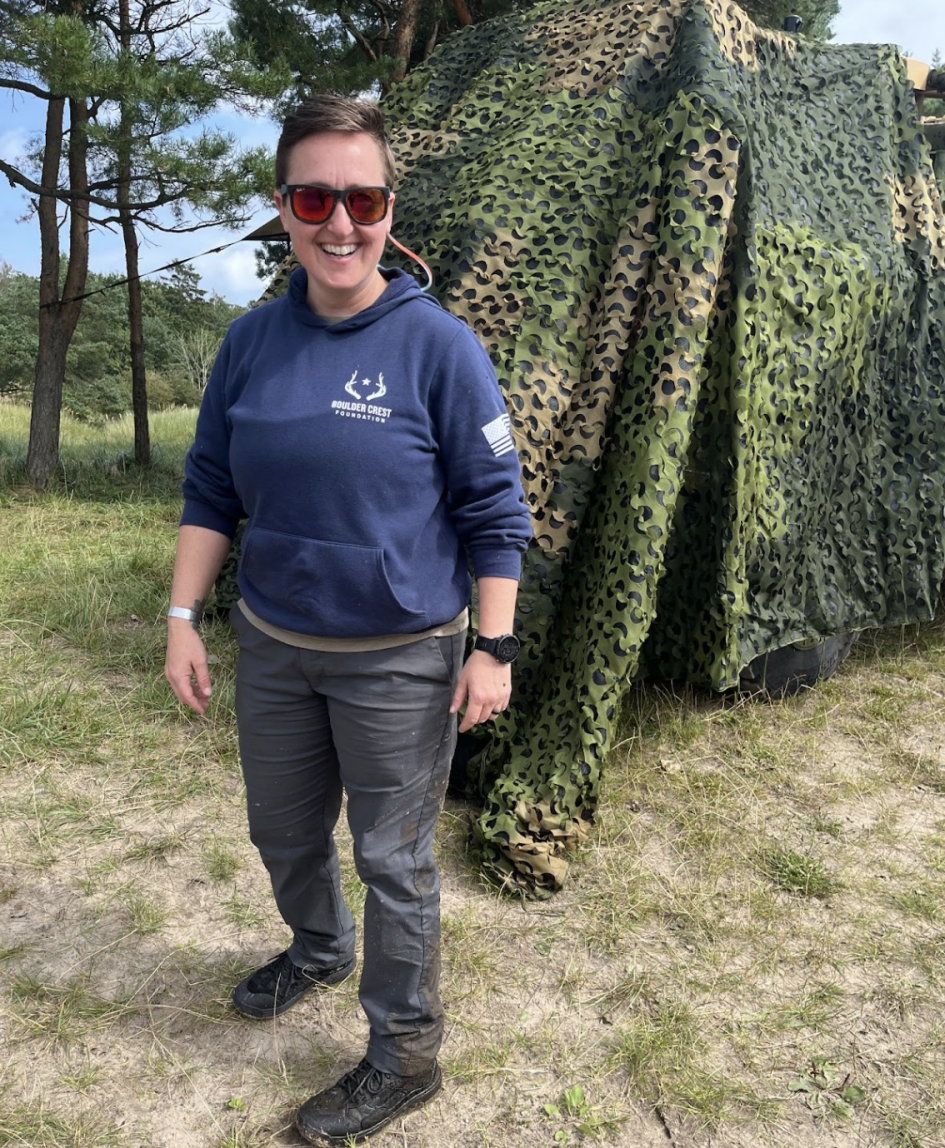
It was a full-circle moment and a leap into something bigger.
“I love to teach, and I love to be with the students. I still feel like one myself,” she said. “Now I get to help others create their own forward-facing stories.”
Shannon and Melanie married in 2020 and are raising their daughter, Harlyn Millie Jay. Harlyn’s name honors both of their families — Melanie’s great-grandmother and Shannon’s grandfather, Jay, the man who first showed her what service could look like.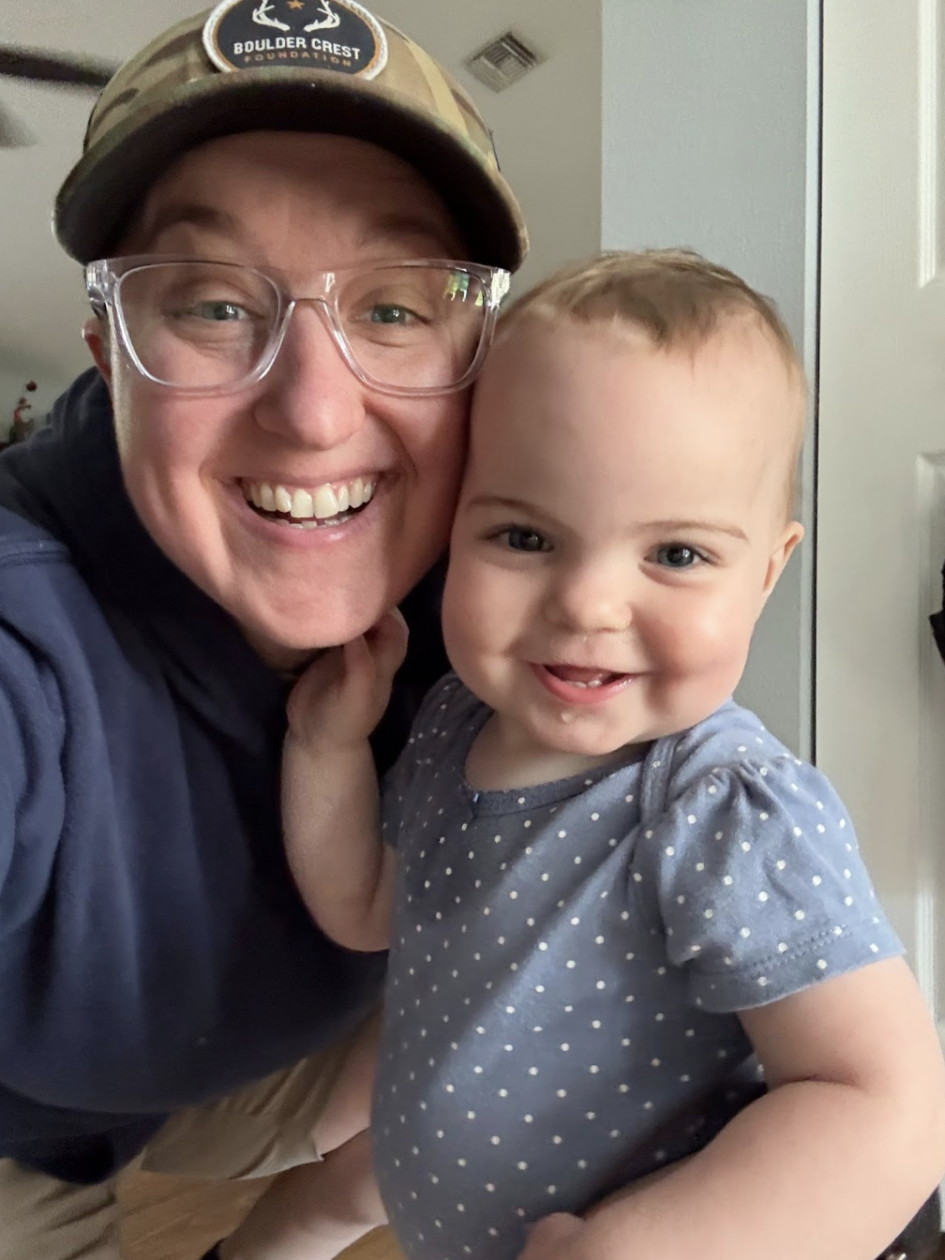 Shannon has transformed her relationship with alcohol, stepped into her authenticity, and broken generational cycles for good. She’s raising her daughter with the kind of peace, presence, and grace she worked so hard to create in her own life.
“Grace is my word,” she said. “You have to give it to yourself every day. Especially on the hard ones.”
Shannon’s journey wasn’t about fixing what was wrong, but about uncovering what had always been there: strength, compassion, grit, and an unshakable desire to serve.
Her story proves that healing isn’t linear, but it is possible. With the right principles, the right people, and the courage to look inward, we can all change the trajectory of our lives.
She’s not looking back anymore but embodying the strength her grandfather gave her, and the grace she’s claimed as her own.
The flag once flew for him. Now, she lives by everything it stood for.
If you or someone you know is ready to begin the journey of Posttraumatic Growth (PTG), learn more about Warrior PATHH and Boulder Crest’s programs at www.bouldercrest.org.
Your support powers life-changing programs offered at no charge to veterans, military, first responders, and their families. With your help, our Warriors won't just survive — they'll thrive.

We have received your email sign-up. Please tell us more about yourself.
