Your Gift. Our Mission. Their Future.
DONATE TODAY. Invest in the PTG programs that are transforming mental health for our nation's heroes.
Make a Gift
Josh Goldberg’s journey to Boulder Crest Foundation reflects the very principles he now teaches: authenticity, service, and growth through struggle. As CEO, he leads with the conviction that Posttraumatic Growth is possible for everyone, ensuring Boulder Crest remains a place where families find healing, strength, and hope for the future.
Josh Goldberg’s path to leading Boulder Crest Foundation didn’t follow a straight line.
It wound through boardrooms in London, New Zealand, and Dallas, through unexpected encounters with mentors, and through a personal reckoning with grief, exhaustion, and the quiet toll of years spent presenting a polished exterior while carrying unspoken pain.
He grew up with a sense of restlessness, a kid who bristled at labels and resisted being boxed in. Debate and academics gave him purpose, and after college, he pursued opportunities around the globe, working in corporate responsibility at British American Tobacco and later at ExxonMobil. By his early thirties, he had checked all the external boxes of success: good jobs, international postings, an enviable résumé. But beneath the surface, he was running on empty.
The loss of his grandfather, his mother’s cancer diagnosis, and personal struggle collided with years of sleeplessness and unresolved anxiety. By his mid-30s, he was outwardly accomplished and inwardly depleted. “I was good at wearing a mask,” he said, reflecting on that time.
There were moments of real despair. He remembers standing at the edge of the ocean, wondering what it would feel like to keep walking and never turn back.
He remembers sitting in his apartment with nothing but a chair, a mattress, and a TV, feeling like the emptiness in the room mirrored his life. But even in those moments, small lifelines kept appearing.
 A mentor handed him Man’s Search for Meaning, and it pierced through the fog just enough to keep going. “That book saved my life,” Josh has said. “It showed me that meaning can be made from the hardest circumstances, and that you are not defined by what happens to you.” He began volunteering, including helping at a food bank, and for the first time in years, he felt a flicker of peace. Service, he realized, could be a way through.
And then came the veterans. In Dallas, he was introduced to a Cowboys player whose brother-in-law, a Marine, died in Afghanistan. The family wanted to give back, and Josh agreed to help, offering his time, perspective, and skills. He listened, asked questions, and helped shape ideas into action. From there, word began to spread. Every couple of weeks, he’d get a call: “We heard you’re helping veterans’ groups. Can you help us, too?”The more he listened to veterans’ stories, the more he noticed a glaring disconnect.
“The story I kept hearing in the civilian world was: guy goes to war, guy comes home broken. But that wasn’t what veterans were telling me. They loved the camaraderie, the purpose, the clarity of service. Their struggles weren’t primarily about what happened down range. They were about coming home and losing the clarity, camaraderie, and mission that service provided.”
It was a realization that mirrored his own.
Josh hadn’t gone to war, and he was clear about that distinction. Veterans had experienced a powerful sense of purpose, only to lose it. Josh didn’t have that same experience. What he did know — intimately — was darkness, despair, and the ache of waking up each day with anxiety and hopelessness.
On different paths, they had arrived at the same question: how do you keep going when the bottom falls out?
He remembers Thanksgiving that year, sitting at a table where everyone went around saying what they were grateful for. When it came to him, he passed. He couldn’t see anything worth naming.
He knew what it felt like to live with anxiety, to wake up with a knot in his chest. And he knew what it felt like to long for something more.
Eventually, Josh knew something had to change. He stepped away from work and told his mentor, Mort, that he needed time to figure things out. Mort encouraged him to take it — “three months or three years, you’ll work it out.” So Josh set off on what he called a walkabout, traveling light, staying in hostels, and walking for miles each day. It wasn’t a holiday; it was work. Reflection, journaling, reading, and confronting the shame he had carried for years. Little by little, he began to learn self-forgiveness.
From Bali to Virginia, he found himself drawn to water. In each new place, he waded into oceans, rivers, and lakes, unconsciously washing off the residue of years of regret and shame. At a Native American ceremony in Arizona, he stood on the element of water in a medicine wheel and was told it signified forgiveness, not just for others, but for himself. That message stayed with him.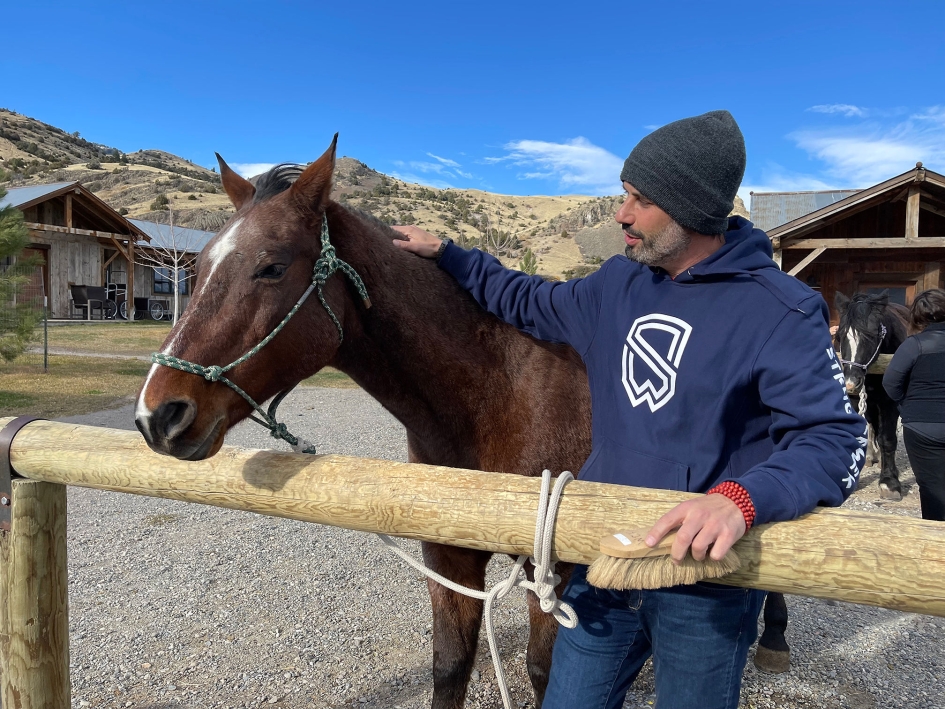 One small symbol kept reappearing: the ladybug, which he first connected with at his grandfather’s graveside after his mother whispered for a sign that he was still near. Years later, during a moment of heartbreak in Berlin, he looked up to see a lone ladybug clinging to a lampshade.
To him, it became a reminder: you’re not alone, keep moving forward.
By the time he was introduced to Ken Falke in late 2013, Josh had begun to find his footing again. Their first conversation stretched for ten hours, two men approaching the same problem from different paths, aligned in a shared belief that what veterans needed wasn’t just treatment, but transformation. Shortly after, Josh moved to Virginia, committing himself fully to Boulder Crest’s mission.
At Boulder Crest, Josh found what he had been searching for: a philosophy and a practice rooted in the belief that struggle can be the starting point for growth.
Posttraumatic Growth (PTG) wasn’t about erasing pain, but about transforming it into strength, purpose, and connection. It resonated with everything he had lived.
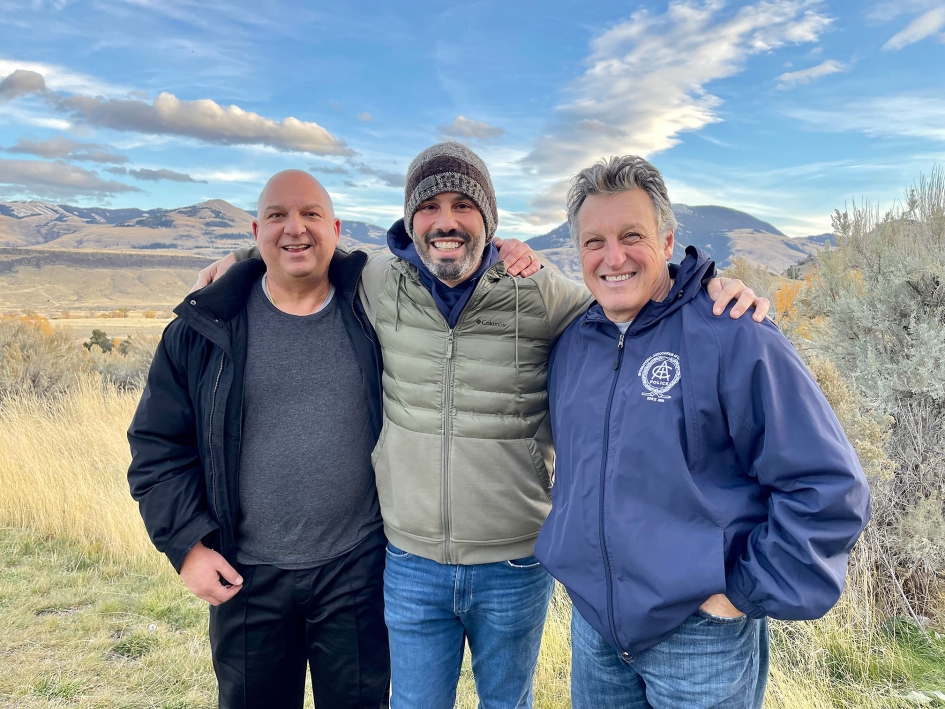
Today, as CEO of the Boulder Crest Foundation, Josh leads with conviction, anchored in the same principles that restored him. He practices what he preaches: grounding himself in daily habits, prioritizing community, serving others first, and insisting on authenticity in every conversation. He often tells his team, “Life is a lot easier when you’re the same person every day,” a reminder to live honestly rather than wearing a mask.
And Boulder Crest’s impact goes far beyond his own story. Every week, men and women walk through its doors carrying burdens as heavy as the ones Josh once carried. They leave with practices that help them breathe again, marriages repaired, families reconnected, and hope restored.
“Boulder Crest gave me back my life,” one veteran told him recently. “Not the life I had before, but a new one — stronger, deeper, better.” Stories like that remind Josh why he does this work, and demonstrate that growth is not about avoiding struggle, but about transforming it into something meaningful.
Years ago, in one of the hardest stretches of his life, Josh stood at the edge of the Atlantic and wondered how to keep going. Then came the mentors, the community, and the practices that restored his foundation.
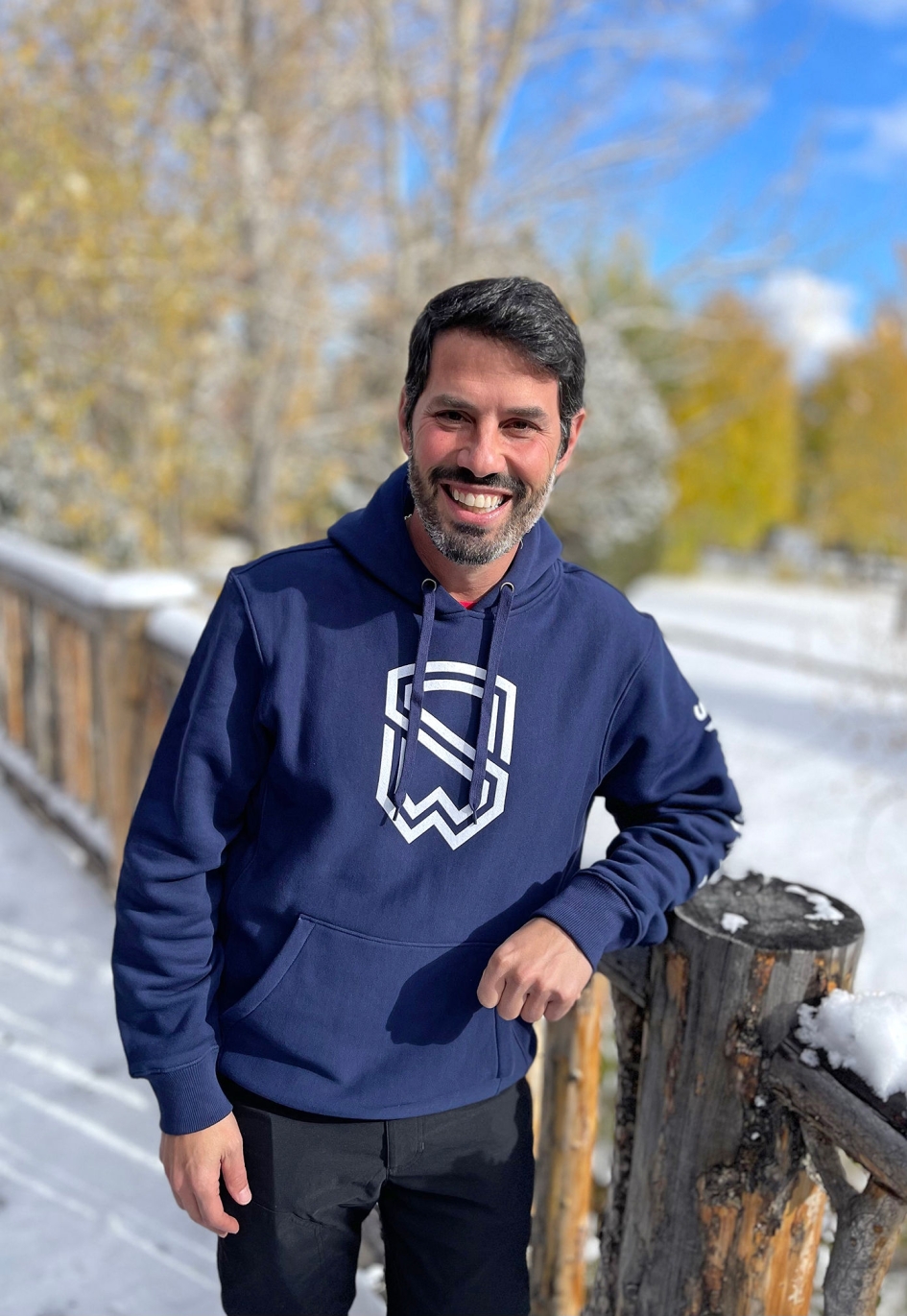 Along the way, small signs showed up at just the right moments, sometimes no bigger than a ladybug’s wings, reminding him to stay the course.
That is the lesson he carries forward as he leads Boulder Crest: that hope is rarely loud, but it is always there for those willing to listen. And that struggle, no matter how dark, can be the very soil from which growth begins.
If you’ve ever found yourself wondering how to keep going, know that there is a path forward. At Boulder Crest Foundation, we believe struggle can be the starting point for growth. Discover our programs at bouldercrest.org.
Your support powers life-changing programs offered at no charge to veterans, military, first responders, and their families. With your help, our Warriors won't just survive — they'll thrive.

We have received your email sign-up. Please tell us more about yourself.