Your Gift. Our Mission. Their Future.
DONATE TODAY. Invest in the PTG programs that are transforming mental health for our nation's heroes.
Make a Gift
Brandi McBride never set out to join the military. She wanted to be a pilot — so much so that one of her electives at Baylor University was aerospace studies. What she didn’t realize at the time was that it was actually the freshman-level class for ROTC.
“Halfway through the year, I had to tell my parents, ‘Uh, I think I’m joining the military,’” she laughed. And she did.
But life has a way of changing course, and Brandi never became a pilot. Instead, she served in combat support in the Air Force, leading teams that handled food, fitness, lodging, morale services, and mortuary affairs. Morale was everything, especially in a place like Iraq, where there was no alcohol, no real entertainment, and mostly just the movement from one tent to another. She deployed twice, in 2004 and 2005, both times over the holidays.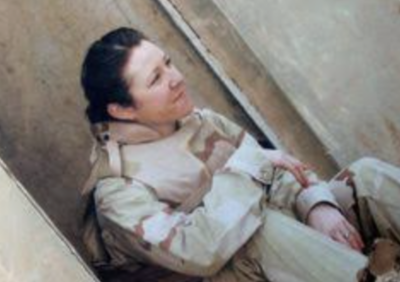
In that environment, something as simple as a Thanksgiving meal became the thing that held people together. But war doesn’t pause for celebrations. One moment, she’d be planning a holiday mixer. The next, she’d receive news that lives had been lost and have to step into the logistics of mortuary affairs.
The emotional shift was constant, and regulating between staying upbeat and dealing with the realities of war was difficult. As a leader, her priority was always taking care of her people.
What she didn’t realize at the time was that no one was taking care of her.
After one of her tours, Brandi found out she was pregnant. Six months later, she received orders for another yearlong deployment to Iraq. She knew she couldn’t do it. Her husband at the time was also in the service, and the thought of raising a child with both parents constantly gone was too much. So she left.
The transition from active-duty military to civilian life wasn’t easy. Despite her leadership experience and education, finding a new career path was a struggle. “I kept thinking, ‘How do I talk about mortuary affairs to this HR company?’” she joked.
She took an admin job with a significant pay cut just to get her foot in the door. Eventually, she landed in HR, a natural extension of what she had done in the military — caring for people. She built a career helping veterans find jobs, working with companies to challenge the stereotype of what a veteran employee looks like. But even with purpose, the change was hard.
She had grown up in a small religious school, a world where structure defined everything. The military had provided the same kind of framework. Civilian life didn’t. Balancing who she had been, who she was becoming, and what kind of life she wanted for her daughter felt overwhelming.
Then she moved to Michigan, and something shifted.
At first, it was mums. She had never been a gardener, but she bought some plants, let them sit through the Michigan winter, and assumed they were dead. Then one day, she noticed tiny green shoots breaking through the soil. “Wait, it’s starting to come back to life,” she thought.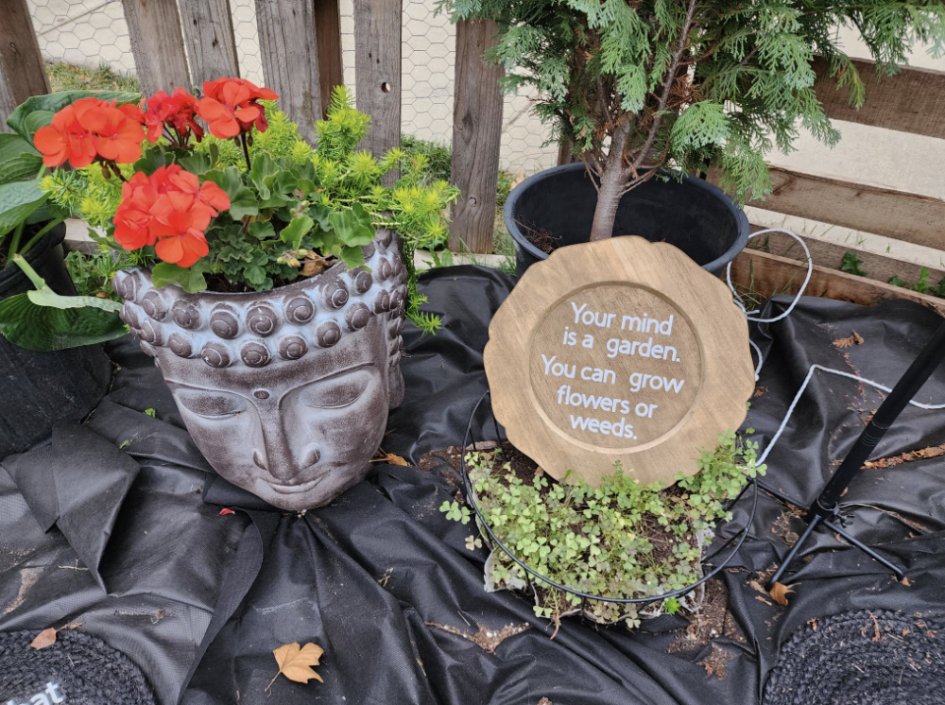 She learned that mums are perennials — they have to die in order to grow back. Then she started researching other perennials, identifying thousands of plants that go dormant, endure the winter, and then return, stronger than before. And then she discovered tulips.
Michigan is home to the largest tulip festival outside of Holland. Tulips don’t just survive the winter — they need it. They’re planted in the fall, buried under 12 inches of snow, and it’s that very freezing, that period of stillness beneath the frost, that allows them to bloom in the spring.
Brandi saw herself in those flowers.
"You can’t have beauty without the ugly, and you can’t have joy without the struggle."
She had spent years enduring winters — military life, deployments, transition, and then divorce. She was due for her spring, and she found it in the rolling hills of Virginia at the Boulder Crest Foundation.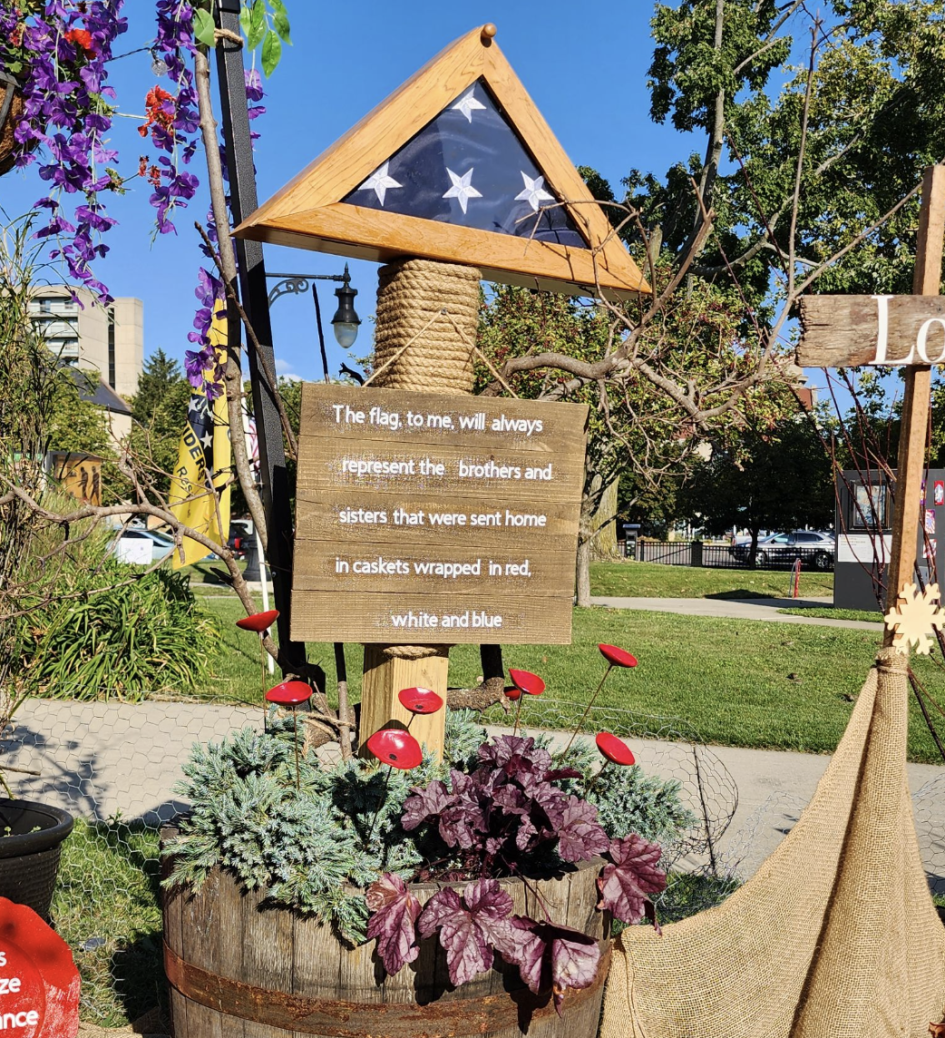 As part of the Warrior PATHH program, Brandi learned to let go of everything she had been carrying. “If I could draw a picture of the rock in the middle of the labyrinth that I left there in Virginia, it would represent all that I carried from the divorce.”
When she left Boulder Crest, the weight she had been carrying was finally gone. Gardening became the place where everything made sense. “You might not notice stuff right now, like evergreen plants in the summer. No one even pays attention to them. But in the winter, they’re the star of the show. It helps to know that we all have a place and a time and fit in through different ways.”
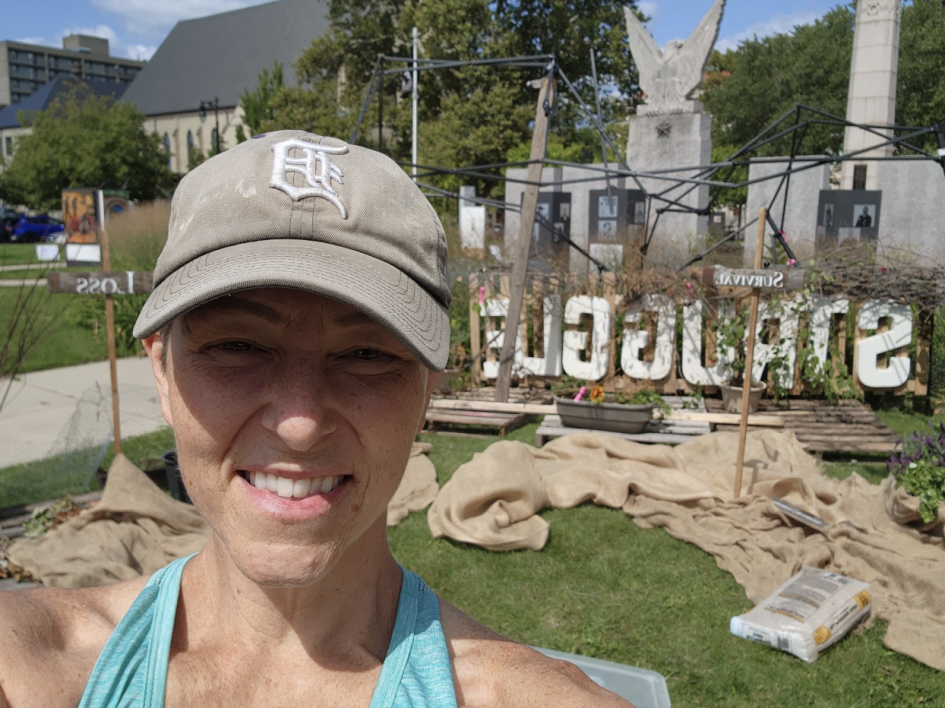
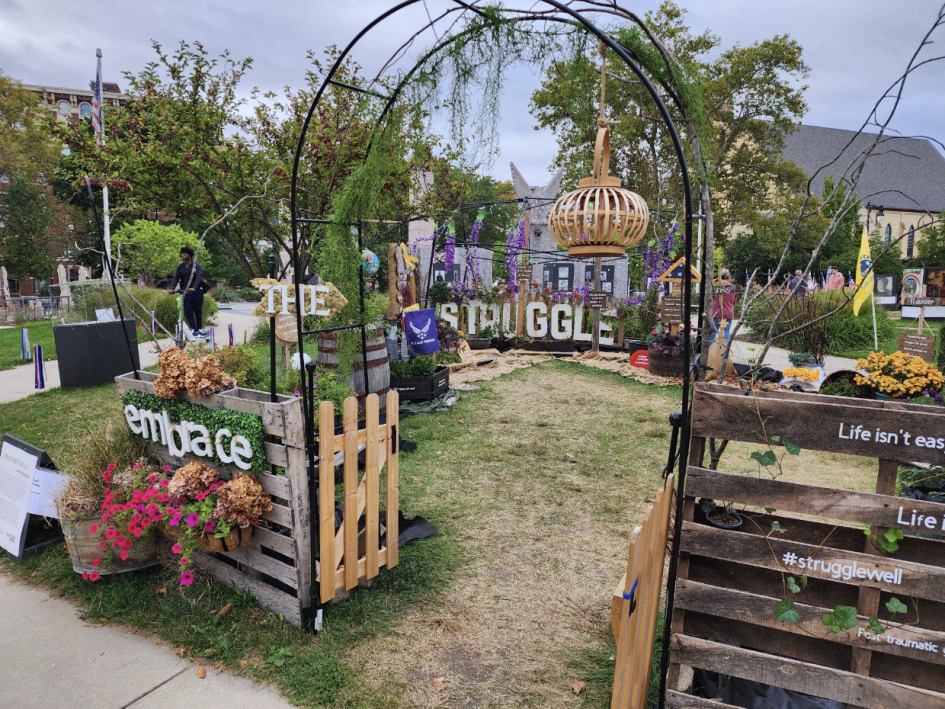
She took that idea and turned it into something even bigger: an art installation in Grand Rapids, Michigan, that visually represented the metaphors that had shaped her life. It was a reflection of struggle, of transformation, of the beauty that had always been there, however hidden it might have been.
The entrance to her outdoor exhibit had two gates with the words Embrace the Struggle overhead. Inside, carefree vines spilled over a barrel, representing a life without boundaries. Pink blooms symbolized freedom. Then came structured boxwoods, mirroring the rigid rules of military life.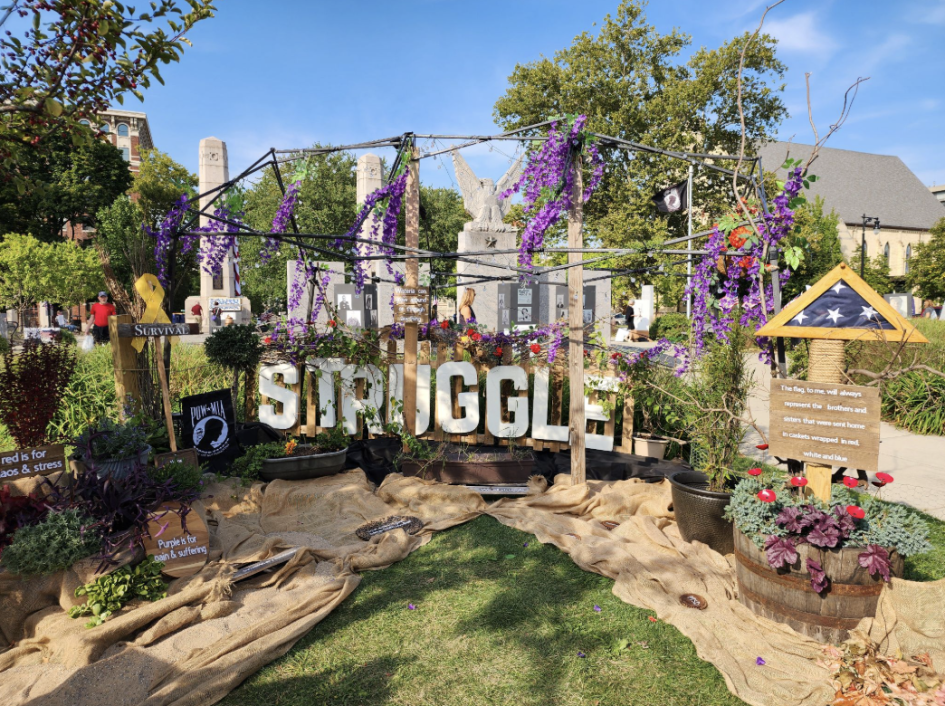
At the heart of it all was a broken greenhouse, covered in breathtaking purple flowering vines. People commented on how beautiful it was — but almost no one noticed the shattered glass underneath. “It demonstrated that we see what we want to see,” she explained.
Brandi knows that struggle isn’t just a veteran experience. “A lot of people think our problems come from war. But going through Warrior PATHH, you can see that a lot of our struggles came from our childhoods or other life experiences, just like any other person.”
After Warrior PATHH, her entire perspective shifted. “I’ve let go of expectations. And once you do and learn to appreciate what’s in front of you, it’s so much better,” she said.
Given the next challenge that came into her life, that sentiment became even more profound.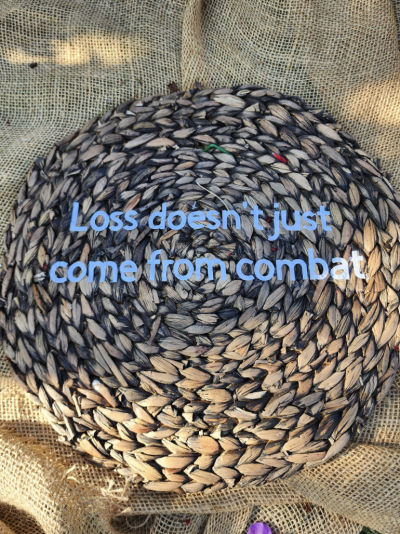 Brandi was diagnosed with cancer in 2009. She completed chemo and radiation and thought she was in the clear. Then in 2020, the cancer returned. This time, it had metastasized to her brain, bones, and throughout her body. The doctors told her the prognosis wasn’t good and that they would focus on keeping her comfortable.
“I’m a mom with young kids. I don’t want to be comfortable,” Brandi told them. So they developed an action plan.
That was five years ago.
Brandi has been in treatment ever since, living in three-month increments, waiting for the other shoe to drop. And when it doesn’t, she gets another three months. It reminds her of tulips, fighting under the frozen ground and re-emerging to shine in the spring. She finds a way to keep going, too.
 “If you woke up today and you weren’t nauseous, and you weren’t in pain, and you had a hot shower — you’re doing okay. There’s something different when death is right there in front of you,” she shared. “It changes things.”
She struggles with memory loss now and feels like she’s in a strange place — without a past and no guaranteed future. All she has is today. “Today is a great day,” she said with a smile. “What are you going to do with it?”
 For Brandi, Warrior PATHH wasn’t just about learning to heal — it was about recognizing that healing was already happening. That, just like her tulips, every hardship she had endured was preparing her for something greater. She knows there will always be more challenges, more struggles.
But she also knows what comes next.
Because winter doesn’t last forever. And when spring comes, the tulips always rise.
Boulder Crest Foundation provides the tools, community, and support to help transform struggle into strength. If you or someone you know could benefit from life-changing programs like Warrior PATHH or Struggle Well, we encourage you to learn more. A new season of growth is always possible.
Your support powers life-changing programs offered at no charge to veterans, military, first responders, and their families. With your help, our Warriors won't just survive — they'll thrive.

We have received your email sign-up. Please tell us more about yourself.