Your Gift. Our Mission. Their Future.
DONATE TODAY. Invest in the PTG programs that are transforming mental health for our nation's heroes.
Make a Gift
The television rolled into the study hall on an old metal cart.
For a moment, nobody in the room fully understood what they were watching. Smoke poured from one of the Twin Towers. Teachers whispered. Students stared. Then the second plane hit.
Ben Iobst was 17 years old.
Before September 11, 2001, he had imagined an entirely different future for himself. Maybe computer science. Maybe meteorology. He laughs now about never developing the “anchorman voice” he once imagined using on television.
But after watching the attack on America in real time, the direction of his life changed.
He came from a family where military service stretched back generations — Army veterans through Vietnam, World War II, and even the Revolutionary War. Service was woven into the fabric of his family history. And in that moment, sitting in study hall watching the towers burn, Ben felt pulled toward it.
“America was under attack,” he said. “That changed everything for me.”
Three days after graduating high school, he left for Army Infantry basic training.
While many of his classmates were preparing for dorm rooms and college orientation, Ben was preparing for combat. By the time most of them had settled into their freshman year of college, he was deployed to Iraq.
Years later, Ben can still describe Ramadi in vivid detail. The city was one of the deadliest places in Iraq during the height of the war, a place where violence felt constant and every street carried risk. In 2006 and 2007, he found himself in the middle of some of the most intense fighting of the Iraq War, where every deployment felt like rolling dice and every patrol carried the possibility that someone might not come home.
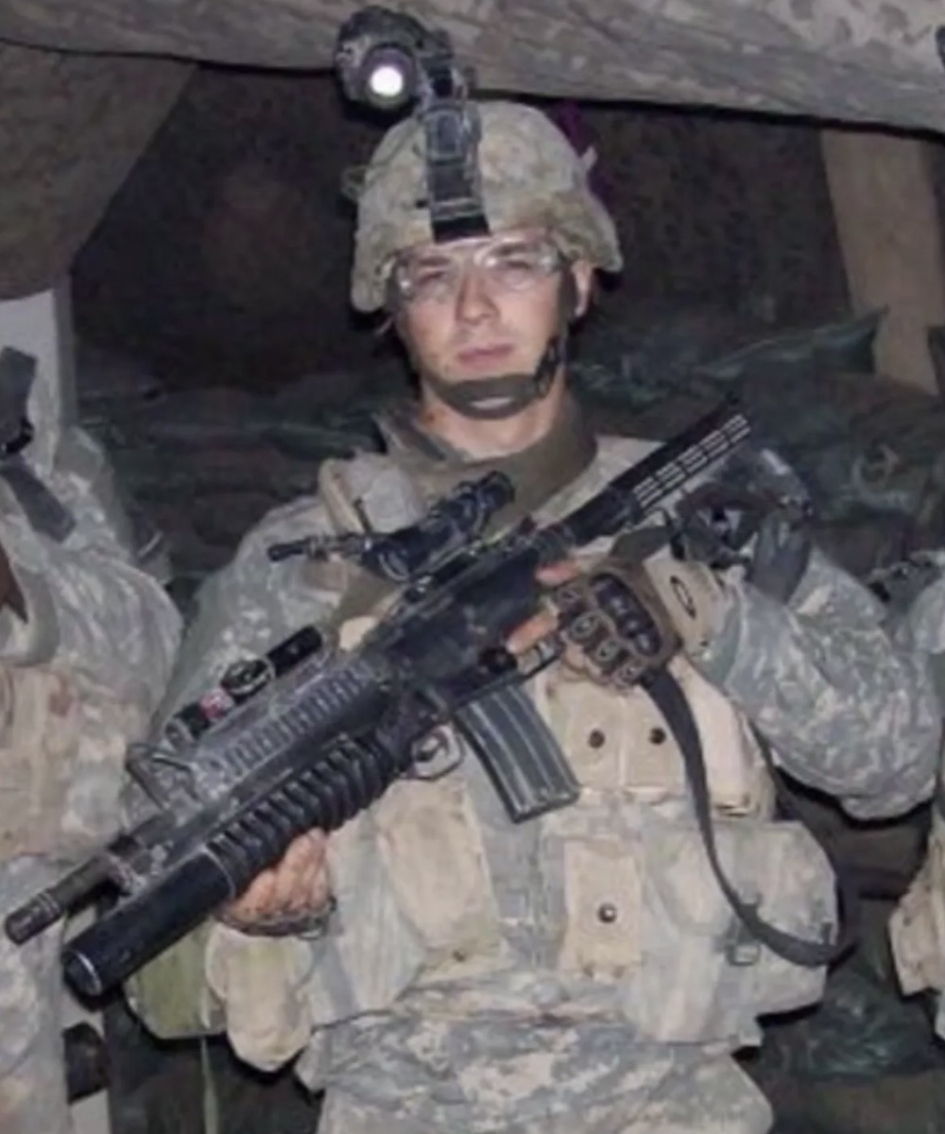
Friends were wounded. Some were killed. Ben was wounded himself. And over time, the cumulative weight of those experiences began reshaping the way he saw both the war and his place within it.
But what ultimately pushed him toward leaving the military wasn’t only the danger. It was the realization that war could be turned on and off by people far removed from the streets where young men and women were fighting.
During the 2008 election cycle, both presidential candidates publicly discussed ending the war in Iraq while Ben and others were still actively engaged in combat.
“We’re in the middle of one of the worst battles,” he said. “And both officials that were about to be elected are saying, ‘We’re just going to end this thing.’ And that really made me go, ‘What are we doing?’”
At the same time, his father — a Vietnam veteran — saw the cumulative toll repeated deployments were taking. Every deployment felt uncertain.
“Was my dad going to get me home, or was he going to get me home in a box?”
Eventually, Ben made the decision to come home.
He planned to take a year off and figure out who he was outside the military, but his father immediately shut that idea down.
After Vietnam, his father had taken time off himself and watched it spiral into years of unhealthy coping and self-destruction.
“He said, ‘You’re not doing that. You’re getting a job as soon as you get back.’”
So Ben came home and stepped directly into another profession built around danger, adrenaline, and service: law enforcement.
He chose to work for the largest city in his region of Pennsylvania — the department with the highest crime rate. It felt familiar. The pace. The intensity. The sense of mission.
He moved through police academy training with ease. Military life had prepared him well for the structure and demands of the job, and on the street, he excelled in environments where fast reactions and constant alertness mattered.
But beneath the surface, years of combat, hypervigilance, and unprocessed trauma had followed him home.
At first, the cracks were subtle — nightmares here and there, more drinking, an inability to fully relax even when he was off duty. Then came something that confused him deeply: anxiety.
“Driving down the street at work was causing anxiety,” he said. “And I couldn’t figure out why.”
The answer, he later realized, wasn’t complicated.
He had spent years surviving in environments that rewarded shutting everything down emotionally. Off duty, alcohol became the thing helping him quiet his mind.
But over time, the coping mechanisms that once felt manageable started unraveling every other part of his life. His family noticed. Friends noticed. And eventually, the walls closed in.
Ben often speaks honestly about this chapter because he believes honesty matters. There wasn’t a dramatic moment of instant transformation, or a single conversation where someone pointed out the problem and he immediately changed course.
“I needed consequences,” he said. “The walls had to close in.”
What ultimately helped save him was community — family members, friends, peers, and people who refused to let him disappear into isolation. Programs and mentors helped him begin rebuilding piece by piece, but perhaps most importantly, Ben chose to listen when the people around him reached out instead of continuing to push them away.
Recovery changed the way Ben viewed people.
Earlier in his policing career, Ben was an adrenaline-fueled patrolman who worked double shifts whenever he could, moving from one bad incident to the next in the largest city in his region. The pace and intensity felt familiar after the military, and like many first responders and veterans, he viewed strength primarily through the lens of action.
Later in his career, after beginning his own recovery journey, he joined SWAT as a hostage negotiator and became increasingly drawn toward crisis intervention and wellness work.
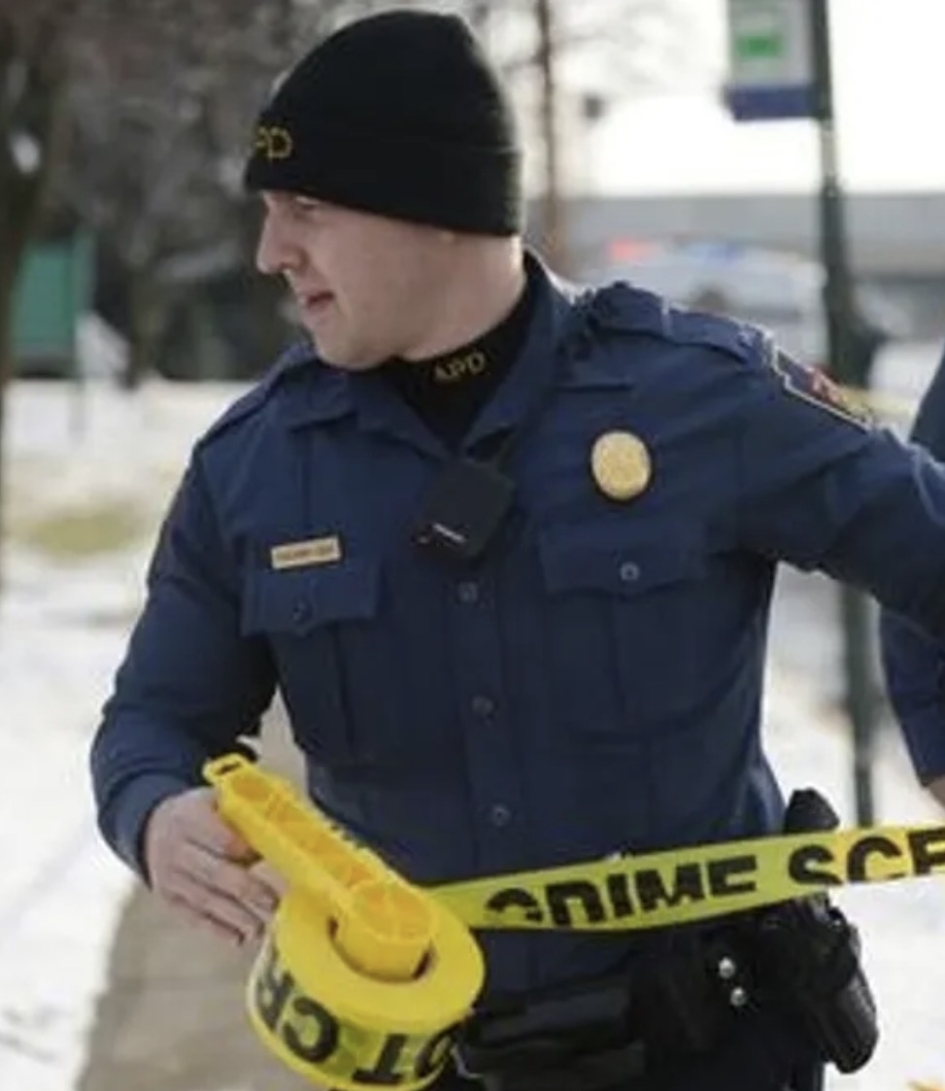
Over time, his understanding shifted. The longer he worked with people in crisis, the more he realized that very few people are simply “bad.” More often, they are hurting, overwhelmed, struggling, or reacting to pain they never learned how to process.
That realization fundamentally changed the direction of his career.
Ben became more deeply involved in Crisis Intervention Team policing and returned to school, earning a degree in criminal justice with a specialty in criminal behavior.
He stayed deeply connected to recovery communities like AA, but he also felt something missing.
There were spaces for recovery, and there were spaces for treatment. But there were very few spaces designed specifically for warriors — veterans and first responders trying to learn how to live healthy lives after years spent carrying trauma, stress, and responsibility.
At the same time, Ben couldn’t ignore what he was seeing around him. Departments had countless hours of training focused on helping the public through crises. But when it came to helping first responders themselves, the systems often fell short.
"We have entire programs on how to negotiate with people to get them to see there’s another option. But then I started looking at the rates of suicide for veterans and first responders, substance use, shortened life expectancy, and I’m going, ‘What do we have for us?’”
That question became the beginning of a new mission.
Ben joined Critical Incident Stress Management teams and helped create wellness initiatives within his department. Eventually, those efforts expanded regionally as more departments asked for help building support systems of their own.
At first, much of the work happened off duty. It was volunteer-based, peer-led, and fueled largely by a group of first responders who simply wanted to take care of each other in ways the system often wasn’t prepared to do.
Then COVID arrived.
Resources disappeared almost overnight, while law enforcement agencies across the country faced unprecedented stress, scrutiny, and exhaustion. Ben watched wellness resources become overwhelmed in real time, and the experience reinforced something he had already begun to believe deeply: the field needed more than crisis response. It needed a cultural shift.
So he went back to school again.
Originally, he considered clinical psychology before ultimately pursuing organizational psychology instead. The decision reflected the question that had increasingly consumed him: how do organizations create healthier cultures before people reach the breaking point?
That search eventually led him to Boulder Crest Foundation and the Struggle Well program.
A friend connected him with Boulder Crest CEO Josh Goldberg. Ben asked for research and information. Josh invited him to experience the training himself.
Ben attended Struggle Well training alongside two close friends, and almost immediately, something clicked.
The program distilled decades of lessons about wellness, Posttraumatic Growth, peer support, and mental fitness into something practical, accessible, and actionable. For Ben, it felt like finding language for things he had spent years trying to build on his own.
Today, Ben serves as a Struggle Well Guide and has helped build a growing network of Posttraumatic Growth groups throughout Pennsylvania.
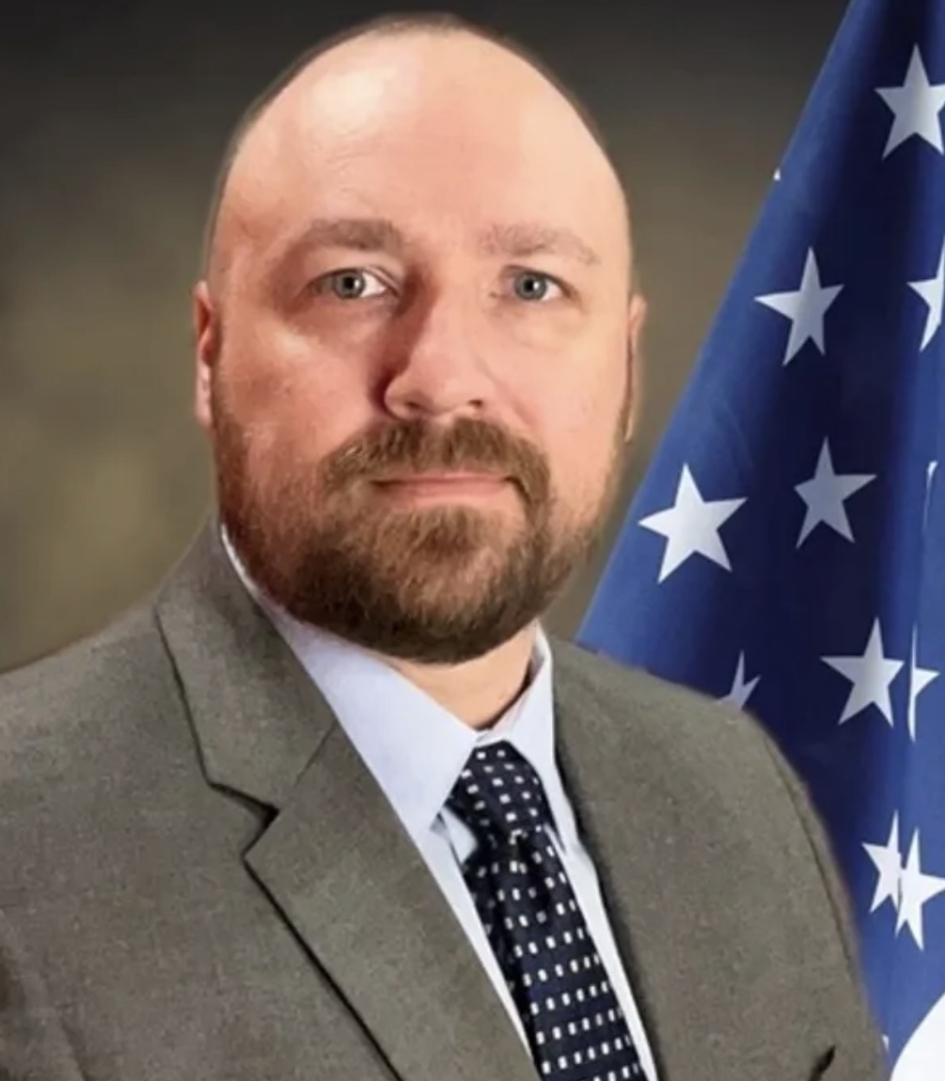
The meetings are intentionally simple — an hour-long space where veterans and first responders can practice the principles of growth together and show up exactly as they are.
What started small quickly grew organically. People brought friends. Groups expanded. New communities formed. Veterans found renewed purpose, while first responders realized they were not nearly as alone as they had once believed.
“Healthy warriors spending time with healthy warriors,” Ben said. “It’s kind of like the whole warrior culture is starting to wake up and take care of itself.”
Ben often returns to one central belief: healing does not happen alone.
“If I take one individual person and put them out in a desert, chances are very high they’re not going to survive,” he said. “But if I take 100 people and put them out in the desert, they’re going to build a village.”
That idea now sits at the center of his work. Not fixing people or rescuing them, but helping build environments where people can heal together.
Ben knows firsthand that trauma does not simply disappear. The anxiety, the hypervigilance, and the weight of years spent responding to danger leave lasting marks. But he also believes just as deeply that struggle can become a catalyst for growth — not because pain itself is good, but because human beings are capable of growing through what they go through.
Today, Ben continues serving others through law enforcement wellness initiatives, peer support, Struggle Well, and Posttraumatic Growth groups spreading across Pennsylvania and beyond.
He still carries the experiences that shaped him. But he no longer carries them alone.
And through the work he is building alongside others, more veterans and first responders are discovering they do not have to carry theirs alone either.
As Ben puts it, “Trying to struggle by myself? Deadly. But working together, we can support each other in that struggle. And we can struggle well.”
Struggle Well is a prevention-focused program based on the science of Posttraumatic Growth. By partnering with first responder agencies and active serving military units, Boulder Crest Foundation is fundamentally changing the culture from the inside-out. Struggle Well is changing lives. If you’re ready to take the first step, visit BoulderCrest.org to learn more or request training.
Your support powers life-changing programs offered at no charge to veterans, military, first responders, and their families. With your help, our Warriors won't just survive — they'll thrive.

We have received your email sign-up. Please tell us more about yourself.