Your Gift. Our Mission. Their Future.
DONATE TODAY. Invest in the PTG programs that are transforming mental health for our nation's heroes.
Make a Gift
Carnadi Ford has spent much of his life showing up for other people.
These days, that can mean a lot of things.
He is a husband and a father in a blended family with seven children — plus one more teenager his family is working to adopt. He is an engineer at Boeing. He mentors young athletes, coaches them in the weight room and stays connected long after they graduate. And several times a year, he steps away from all of it to serve as a Warrior PATHH Guide for Boulder Crest.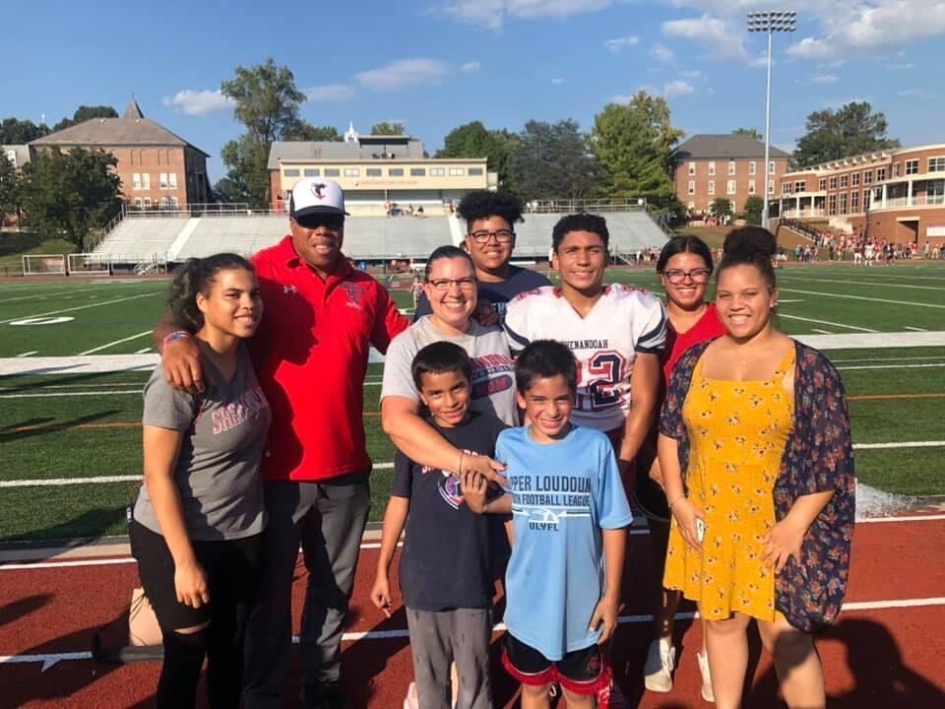 Helping people, Carnadi says, is his passion.
But for a long time, helping everyone else also gave him somewhere to hide.
“As I help others,” he said, “I don’t have to deal with my junk.”
Carnadi grew up in California and knew early that he wanted to serve. His father had been a Marine, and at 13, after attending an air show, Carnadi joined the U.S. Naval Sea Cadet Corps.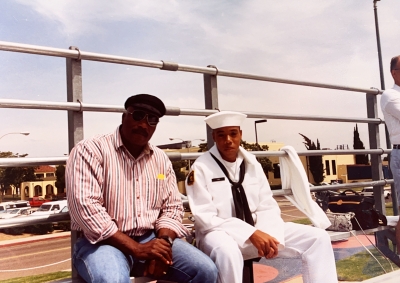 He was hooked.
Seven days after graduating high school, he left for Navy boot camp.
Over the next decade, Carnadi built the career he had imagined as a kid. As a Cryptologic Technician Maintenance (CTM), he supported intelligence missions aboard surface ships and submarines during the Global War on Terror. He found the camaraderie he had always been drawn to, and he loved the work.
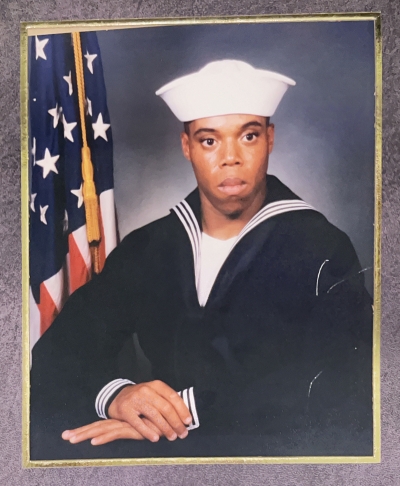
But while Carnadi was serving around the world, life at home was coming apart.
He was married with three children and gone constantly — missing birthdays, holidays and even the birth of one of his children. Eventually, Carnadi made the difficult decision not to reenlist. He hoped coming home could save his family.
About six months later, his marriage ended anyway.
Carnadi had walked away from a career he loved to preserve something that still fell apart.
“I just felt like a failure,” he said.
He didn’t tell people how badly he was struggling. Instead, he stuffed it all down.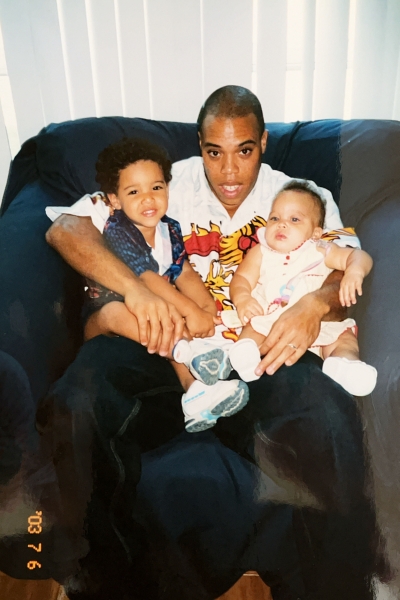 The gym had always been a place where Carnadi felt strong and confident, particularly when he struggled to feel those things elsewhere. During this period, though, it became something different. He pushed himself toward pain because physical pain kept his mind away from everything else. He drank. He lifted. He became deeply depressed.
Years later, help would find Carnadi almost by accident.
A former athlete’s parents gave Carnadi and his wife tickets to a Boulder Crest gala. At their table sat a woman who had completed a Boulder Crest program — strategically seated there, Carnadi later learned, by someone who knew he might need what she had found.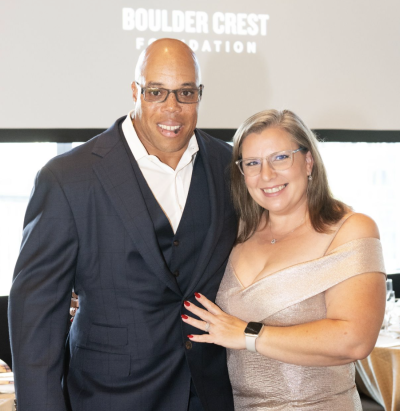
She told him he should go.
Carnadi resisted.
“There’s nothing wrong with me,” he remembers thinking.
But the conversation stayed with him. Eventually, Carnadi applied for Warrior PATHH.
Even when Boulder Crest told him he was a fit for the program, he struggled to believe he belonged there.
“I don’t deserve it,” he remembered thinking. “I’ve got all my limbs. There’s nothing wrong with me. Someone else deserves it.”
What Carnadi began to understand was that struggle isn’t something that can be ranked.
“Trauma is different for everybody,” he said.
So he went. During a Warrior PATHH program in Washington state, Carnadi began confronting things he had spent years keeping buried.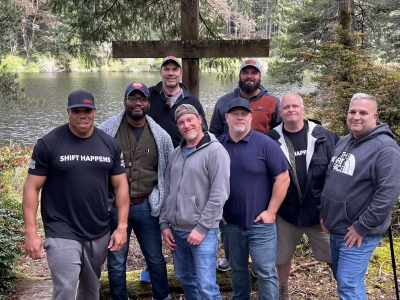
One experience asked him to examine patterns within his family and recognize what had been passed from one generation to the next. Another brought him to a labyrinth, where participants walked while reflecting on what they had been carrying and what they were ready to leave behind.
Rain poured down as Carnadi walked.
Around him were other veterans — some of them big men like him — crying in the rain.
For Carnadi, it represented a choice.
“I’ve been carrying stuff for a long time,” he remembered thinking. “Let me leave it here. I’m not taking it back out with me.”
That didn’t mean everything suddenly became easy.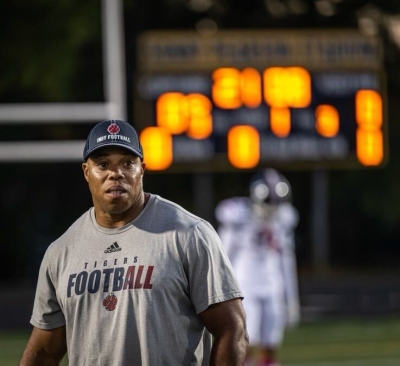
Carnadi is quick to say that growth hasn’t been a straight line. Old guilt still surfaces. Difficult memories return. There are still things he is learning to talk about.
What changed was how he responds when they do.
The practices Carnadi learned at Warrior PATHH have become part of the rhythm of his life. Journaling helps him work through thoughts he doesn’t always understand in the moment. Breathing helps ground him when anxiety or stress creeps in, while fitness and connection with fellow alumni give him ways to keep moving forward. Over time, he has learned that none of those practices are one-time fixes. Their value comes from returning to them, again and again.
“You can’t go work out once a week and expect a change,” he said.
For a lifelong weightlifter, it is an analogy that fits.
But there is another practice Carnadi is still working on: presence.
Presence with his wife and children. Presence with the athletes who call him for advice. Presence when he journals. Presence with the participants he now guides through Warrior PATHH.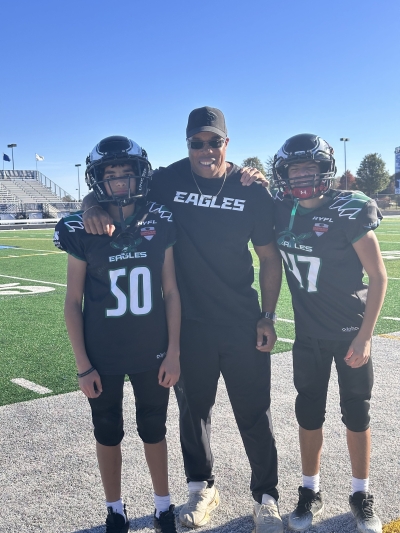
Because Carnadi knows it is possible to physically show up while your mind is somewhere else.
“If I can’t give them all of me,” he said, “then I’m missing out.”
Today, Carnadi gets to offer others something he once struggled to accept himself.
He returned to Warrior PATHH as a Guide because, he says, Boulder Crest gave him practices that helped save his life. Now, he sits across from veterans who arrive carrying their own versions of the same questions he once carried: Do I really belong here? Is what happened to me bad enough? Does anyone understand?
Carnadi knows those questions.
And he knows what he wants them to hear.
“You’re not alone,” he said. “We’re all going through our own struggles. … Just reach out. Reach out to me, reach out to somebody and give it a chance.”
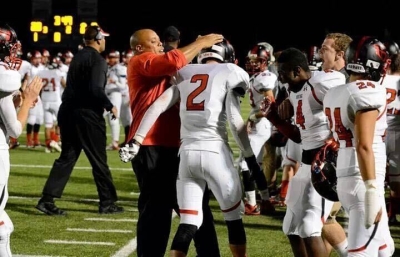 Carnadi still struggles. He still has days when old guilt surfaces and moments when being present takes work. Growth, he knows, doesn’t mean those things disappear.
But the man who once poured into others as a way to avoid his own pain now does it from a different place. Today, he returns to Warrior PATHH as a Guide, walking alongside people who arrive carrying many of the same doubts he once did.
Carnadi went to Boulder Crest believing someone else deserved the opportunity more.
Now, he comes back to make sure someone else gets it.
Warrior PATHH — Progressive and Alternative Training for Helping Heroes — provides the training and practices to transform struggle into strength and thrive in the aftermath of trauma.
Hear more from Carnadi about his military service, family, Warrior PATHH experience, and what he has learned about consistency, presence and giving back on this week’s episode of the Struggle Well Podcast. To learn more about Warrior PATTH and Struggle Well training, please visit bouldercrest.org.
Your support powers life-changing programs offered at no charge to veterans, military, first responders, and their families. With your help, our Warriors won't just survive — they'll thrive.

We have received your email sign-up. Please tell us more about yourself.