Your Gift. Our Mission. Their Future.
DONATE TODAY. Invest in the PTG programs that are transforming mental health for our nation's heroes.
Make a Gift
The room was filled with the unmistakable signs of a little boy who loved sports. Jimmie Johnson pajamas. A race car bed. Sports memorabilia covering the walls. For six-year-old boys, there were few things cooler than having a dad who worked with some of the biggest names in professional motorsports.
And Greg Morin was about as close to the action as you could get.
As a pit crew coach for Hendrick Motorsports, Greg had spent years training elite athletes, developing championship teams, and helping some of NASCAR’s most recognizable drivers find their way to Victory Lane.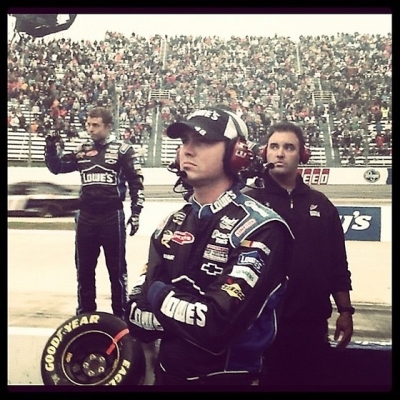 But on this particular evening, standing in his son’s bedroom after a rare weekend at home, Greg was about to learn something no championship could have taught him.
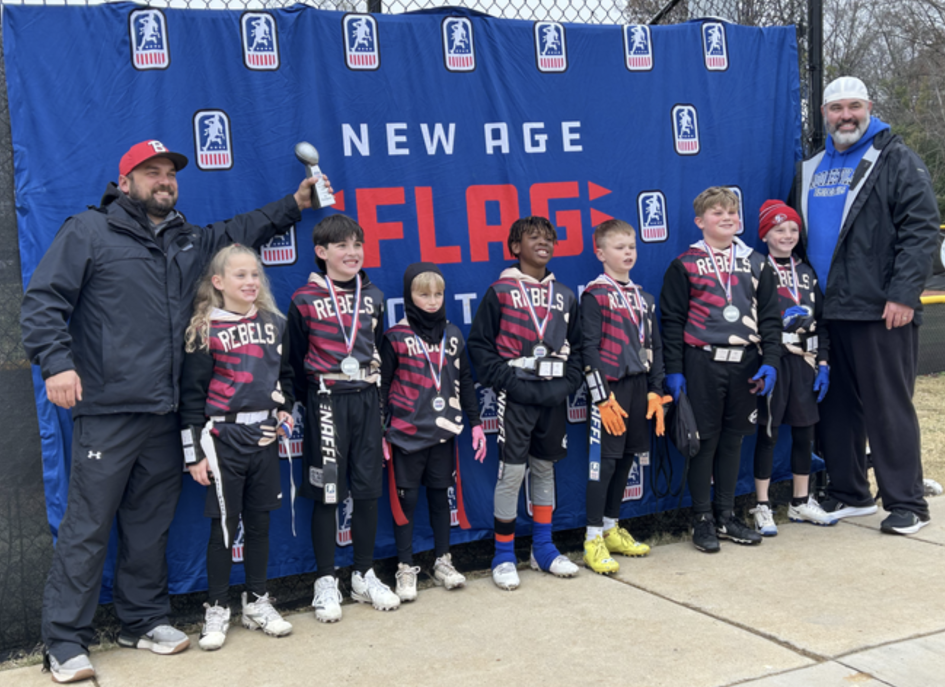
Earlier that day, he’d skipped a race to watch his son play flag football. For once, instead of coaching athletes through the choreography of a pit stop, he’d been standing on the sidelines watching his own little boy play.
As Greg tucked him into bed that night, his son looked up and offered an observation.
“You know what? You were like a real dad this weekend.”
There was no accusation in his voice. No anger or disappointment. Just the matter-of-fact honesty of a six-year-old who had noticed something different about his dad.
 Greg managed a goodnight, walked into his bedroom, and told his wife he needed to leave racing.
For a man who had built his life around winning, the realization was devastating. He’d spent years working his way to the top of his profession, only to discover that the success he’d worked so hard to achieve had come at a cost he could no longer ignore.
And walking away would prove far more difficult than he ever imagined.
Greg had always been a coach. Growing up, sports were his constant through a childhood spent moving from state to state. At East Carolina University, he studied therapeutic recreation, eventually working with children who had experienced abuse before transitioning into personal training.
Then, through an accidentally misdirected email, he found himself interviewing for a job at a NASCAR pit crew training school.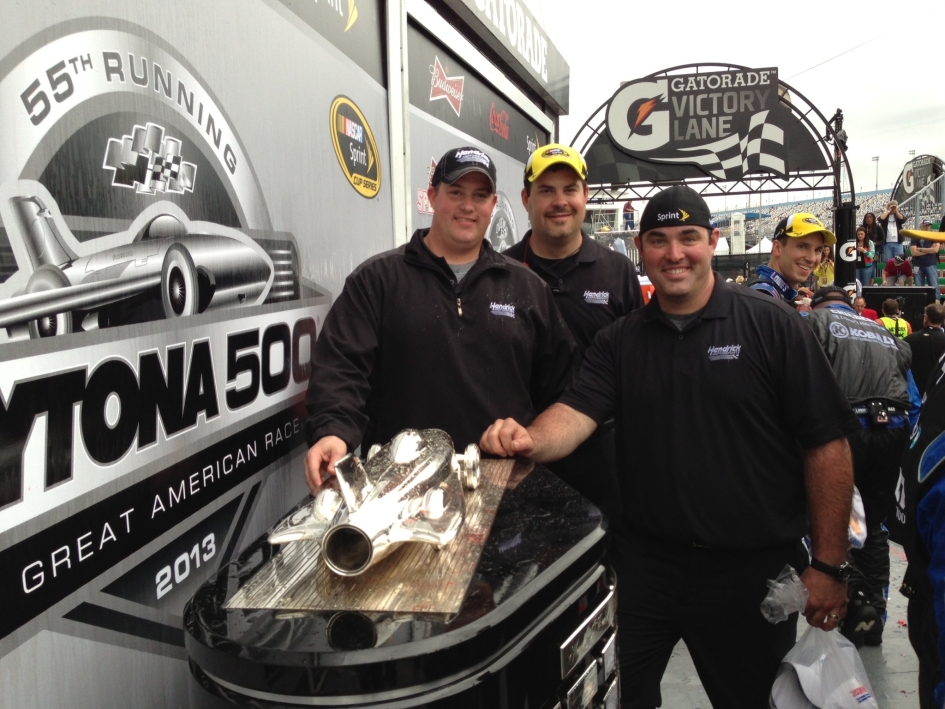 Three years later, he earned an opportunity with Hendrick Motorsports, where he spent eight years training athletes for legendary drivers, including Jimmie Johnson, Jeff Gordon, and Dale Earnhardt Jr.
There were victories, championships, and the intoxicating satisfaction of knowing that the smallest improvement could make the difference between winning and losing.
But there was also a relentless demand for excellence.
The racing season stretched across ten months of the year. Weekdays were spent practicing, preparing, and perfecting every movement. Weekends belonged to the racetrack.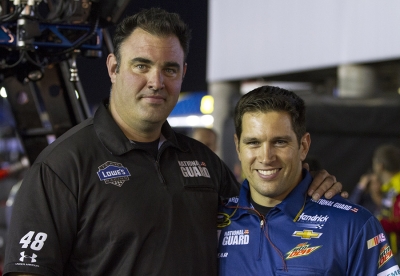
He was giving his family the life he’d hoped to provide, but he was missing much of the life they were living.
It took a six-year-old in Jimmie Johnson pajamas to make him see it.
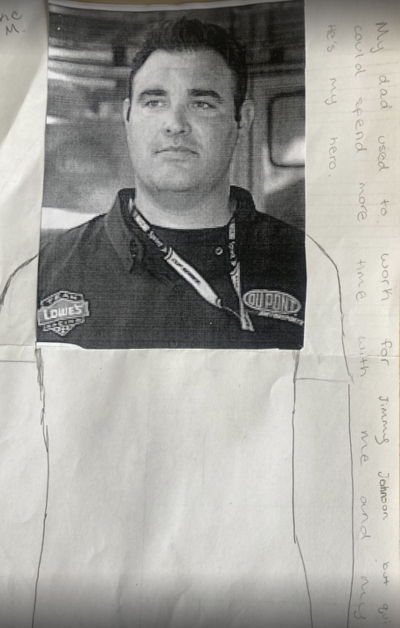
Leaving Hendrick Motorsports meant surrendering more than a successful career. For years, Greg had known exactly who he was. He was Coach. He was part of a championship organization. He was the man responsible for preparing elite athletes to perform under extraordinary pressure.
The opportunities he’d expected to find outside racing weren’t materializing. His confidence eroded, financial pressures mounted, and the man who had built his career helping other people overcome obstacles couldn’t seem to get out of his own way.
“I learned how big my ego was,” Greg admitted.
Eventually, the frustration gave way to something darker.
Greg turned to Jack Daniel’s as his sense of purpose and self-worth continued to unravel. He worried about his family, about money, and whether he would ever be able to provide for them again.
“I got life insurance, so maybe if a car accident happened, everybody would be fine,” he recalled.
He began entertaining the idea that his family might be better off without him.
He’d walked away from racing to become a better father. Now, he was struggling to see what he had left to offer his family at all.
Then an unexpected phone call changed the course of his life.
A friend connected Greg with Ken Falke, founder of Boulder Crest Foundation, who recognized something in Greg’s experience that he couldn’t yet see himself.
For years, Greg had worked in an environment where the mission came first, the team depended on everyone performing their role, and personal needs often took a backseat to the demands of the job.
Ken challenged him to consider what that kind of sustained intensity could do to a person, regardless of the profession. He invited Greg to experience Boulder Crest’s Warrior PATHH program firsthand.
In September 2015, Greg drove to Bluemont, Virginia, to participate in one of the program’s earliest classes.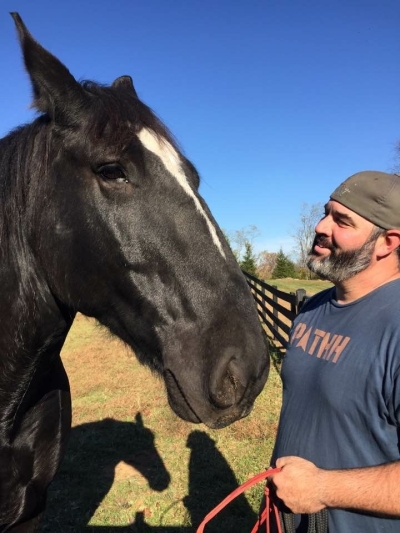 He nearly turned around, multiple times, before he arrived.
He wasn’t a veteran. He hadn’t served in combat. He wasn’t sure he belonged among the group of men who would be participating.
But once he arrived, something unexpected happened.
Greg began listening.
He watched as men who had arrived burdened by their experiences began to recognize possibilities they hadn’t seen before.
“You see the literal color come back to somebody’s eyes because they’ve let something go that they’ve been carrying,” he explained.
For years, Greg had approached coaching with the conviction that his responsibility was to get the best out of every athlete. If someone wasn’t performing, he pushed harder.
But Ken offered a different perspective.
“Your responsibility is to provide the opportunity,” Ken told him. “Their responsibility is to do something with it.”
For Greg, the distinction was profound.
He’d spent years trying to drive performance through discipline, pressure, and sheer force of will. Now, he was beginning to understand that lasting transformation required something more.
And for the first time, he could see how that lesson applied to his own life.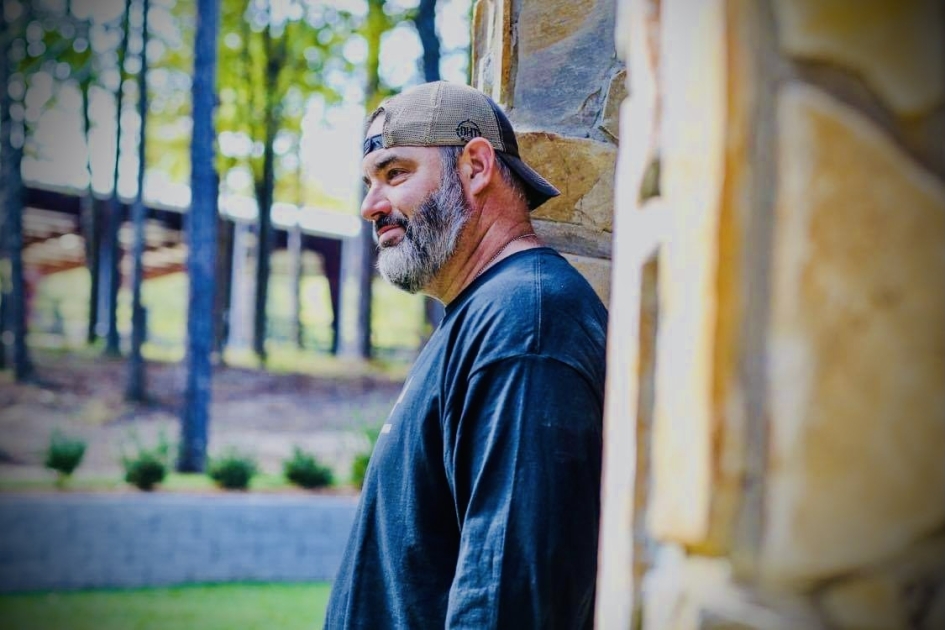 More than a decade later, Greg serves as Boulder Crest Foundation’s Vice President of Places and Programs, helping ensure that the people who deliver its programs have what they need to serve veterans, first responders, and their families.
He’s watched countless men and women discover that their futures don’t have to be limited by their pasts.
“When we can start to see the value in the experiences, not as something that defines us, but that refines us, that forged us, however you want to describe it, they all become pavers for the walkway forward instead of bricks that you carry.”
It’s a perspective that has reshaped the way he approaches leadership, coaching, and perhaps most meaningfully, fatherhood.
Years after his son told him he’d been “like a real dad,” Greg found himself traveling again, this time helping Boulder Crest expand its programs across the country.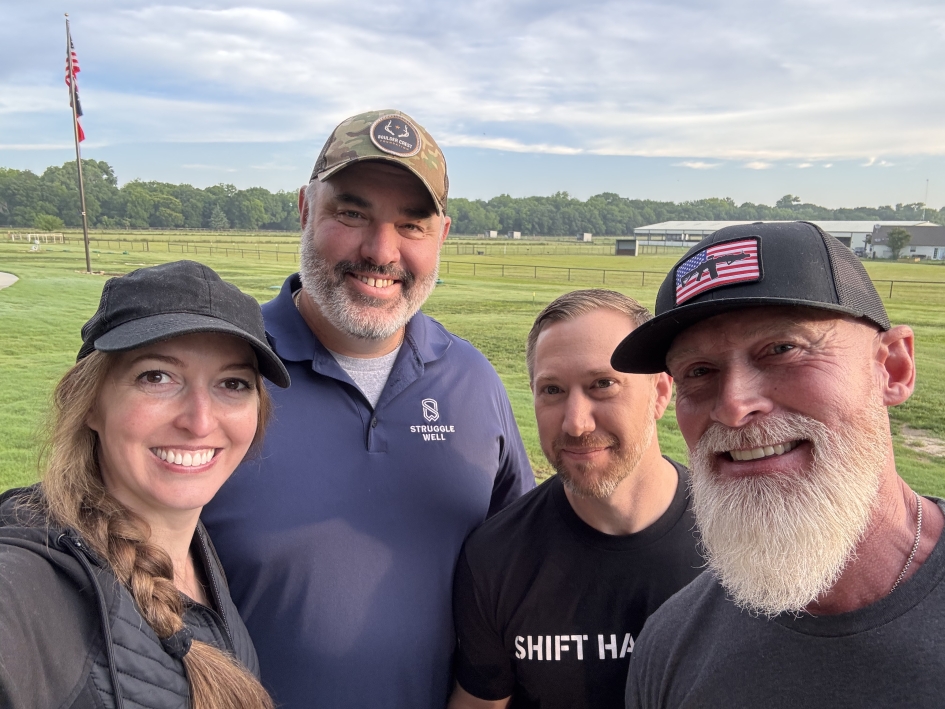
In some ways, his schedule was even busier than it had been during his NASCAR career.
But Greg had made a promise to his sons that things would be different.
As the travel increased, he regularly checked in with them, asking whether they were still comfortable with how much time he spent away.
Their response surprised him.
“Dude, you are here all the time.”
Greg understood what they meant. During his racing career, he’d often been physically home without really being present. Now, when he was home, he was home.
He’d learned to put work aside, quiet the distractions, and give his family his attention.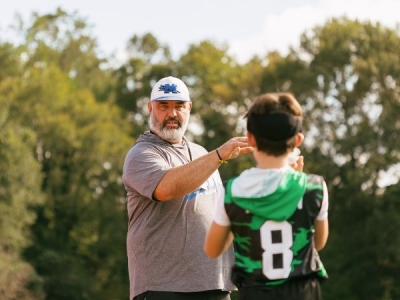 He no longer felt compelled to turn every conversation into a coaching opportunity or every difficulty into a problem he needed to fix.
Sometimes, his children simply needed their dad. And sometimes, the most meaningful thing he could offer was his presence.
Years ago, a little boy standing in the middle of his bedroom gave Greg Morin a glimpse of the father he wanted to become. He couldn’t have known then how much he would have to confront, surrender, and learn to become that man.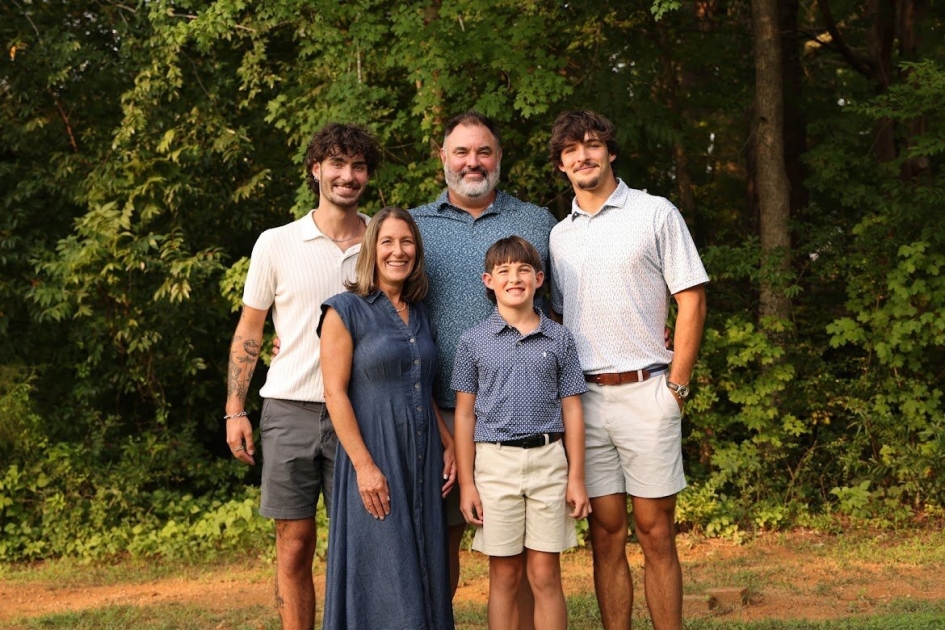 Somewhere along the way, Greg discovered that bringing out the best in people didn’t always mean pushing them harder. It meant knowing when to listen, when to step aside, and when to give them the space to find their own way forward.
It’s a lesson that has changed the way he shows up for his family and for the countless men and women he’s coached in the years since.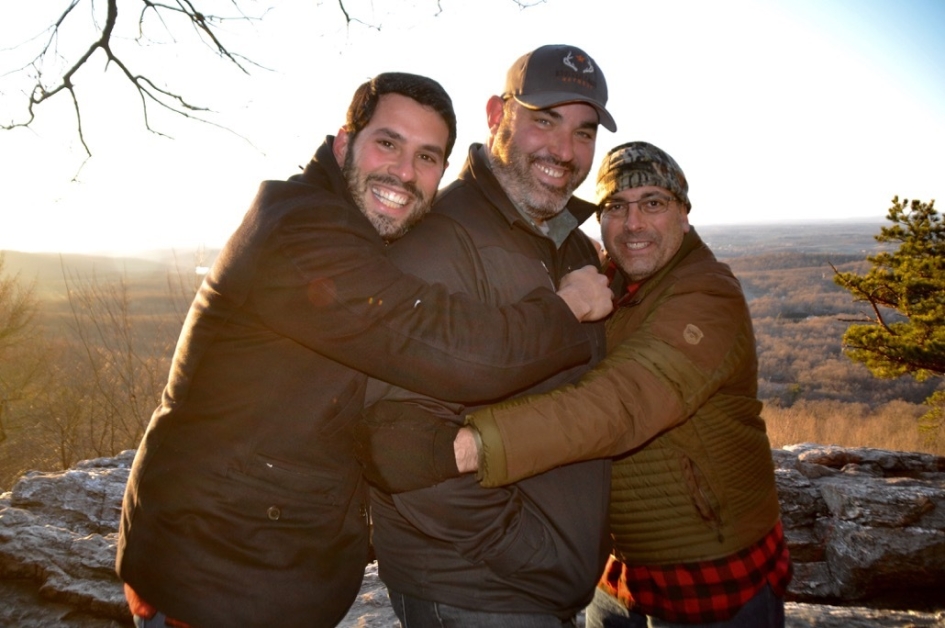 Greg spent much of his life helping people become better at what they do. Through his own struggle, he learned how to help them become more of who they are.
And perhaps that’s the greatest measure of his transformation: not just the life he’s changed for himself, but the lives he continues to change for others.
Hear more from Greg “Coach” Morin about his journey, the lessons he’s learned, and what it means to help others grow through struggle on the Struggle Well Podcast. To learn more about Boulder Crest Foundation’s programs, including Warrior PATHH and Struggle Well, visit bouldercrest.org.
Your support powers life-changing programs offered at no charge to veterans, military, first responders, and their families. With your help, our Warriors won't just survive — they'll thrive.

We have received your email sign-up. Please tell us more about yourself.